Bulk Excavation Solutions Tailored to Your Property
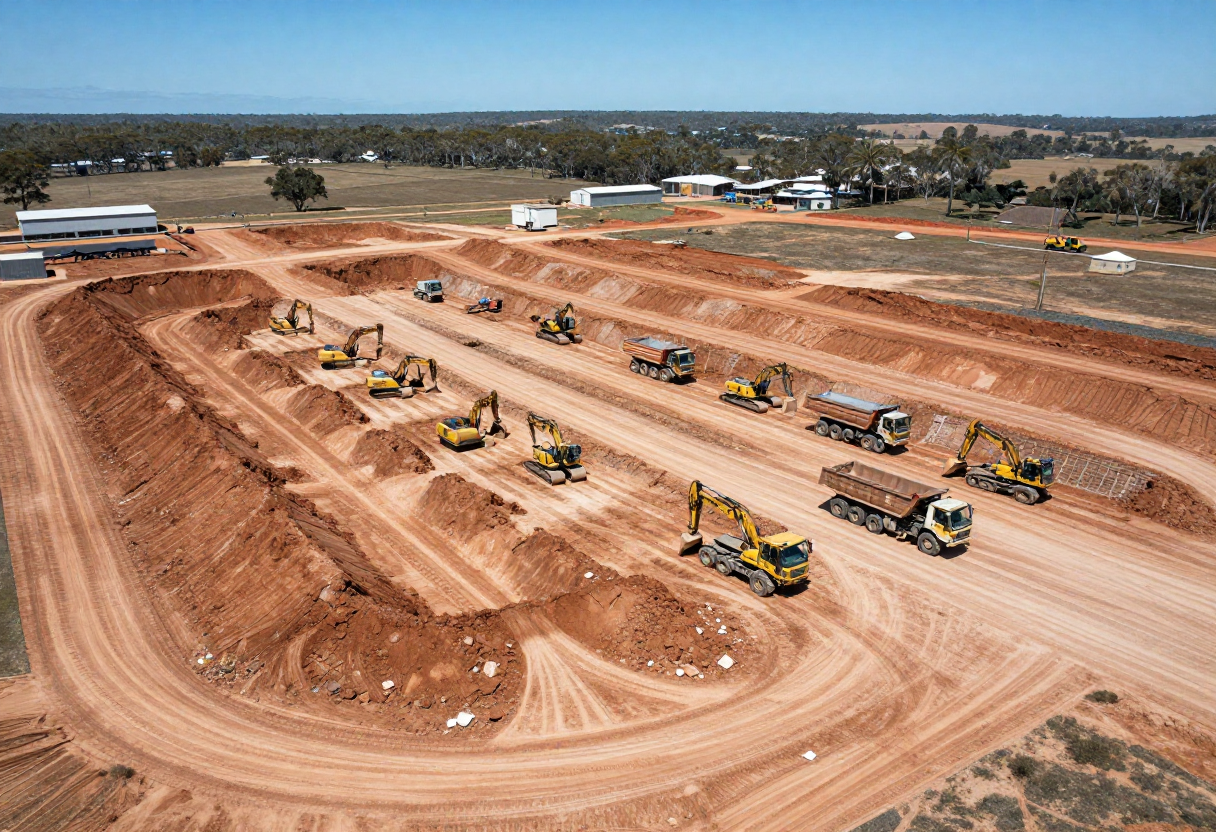
When you’re planning a major commercial development, subdivision, or industrial facility in Newcastle, you need more than just a bloke with a digger—you need a bulk excavation contractor who can move thousands of cubic meters efficiently and on schedule. We’ve spent years handling the kind of substantial earthworks that make or break project timelines across the Hunter Region, from warehouse sites in Mayfield to subdivision developments around Lake Macquarie and everything in between.
Our team knows that bulk excavation Newcastle projects work completely different than residential jobs. We’re talking coordinated truck movements, precise mass earthwork calculations, environmental controls at scale, and systematic operations that keep productivity up and costs down. Whether it’s a shopping center platform, factory site, or infrastructure project requiring removal or placement of massive volumes, we have the heavy equipment fleet and experienced operators to handle it right. That’s what sets professional bulk excavation apart from standard earthmoving work.

Bulk Excavation Projects We Handle




Heavy Equipment & Capabilities
Our fleet handles what smaller contractors can’t touch. We run large excavators from 20 to 40 ton that move serious volumes per hour, bulldozers for mass pushing and leveling across big areas, articulated dump trucks that keep material flowing efficiently without tearing up roads, graders providing precision finishing to exact levels, compaction equipment ensuring fill placement meets engineering specs, water carts controlling dust across large sites, and GPS-guided machinery giving accuracy that used to be impossible.
This equipment capacity lets us handle projects from 1,000 cubic meters right up to 50,000+ cubic meters and beyond. Coordinated equipment operation makes the difference between profitable earthwork and losing money—you can’t just throw machines at a job and hope it works out. Our operators understand mass earthworks, knowing when to push material versus loading trucks, how to sequence operations for maximum efficiency, and reading ground conditions that affect productivity.
Bulk excavation economics work different than small projects. Efficiency and planning become critical to competitive pricing because when you’re moving tens of thousands of cubic meters, every optimization matters. Proper equipment selection affects productivity significantly—using a 20-ton excavator where you need a 40-ton costs time and money.

Cut and Fill Balancing
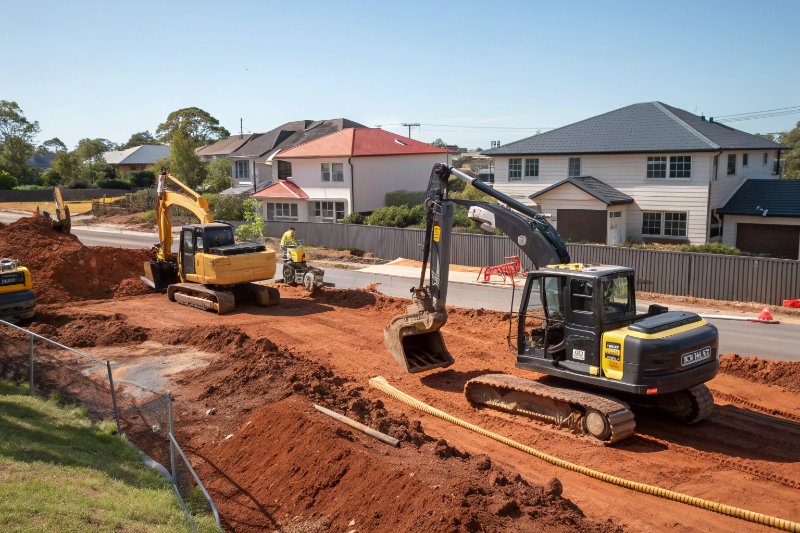
Smart earthwork planning starts with analyzing your site to balance cut areas with fill requirements. When we can minimize material export, we’re reducing costs dramatically because disposal fees and trucking add up fast on large projects. We calculate volumes and haul distances, design efficient earthwork sequence, and coordinate with engineers optimizing site levels so you’re not paying to move dirt twice or bringing in expensive fill when you’ve got perfectly good material elsewhere on site.
Here’s the reality—importing or exporting material significantly affects project costs. Balanced earthworks provide economic advantage that can make or break a project’s profitability. Newcastle’s disposal costs and availability of quality fill affect planning decisions, and knowing local options matters. We understand where material can go, what fill sources are available nearby, and how to structure earthwork to minimize unnecessary material movement.
Professional contractors bring earthwork planning capability that saves money. Surveying and GPS technology enables accurate volume calculations before we even start digging. Our experience optimizing earthwork design has saved clients serious money on subdivisions and commercial sites around the Hunter Region.
Newcastle Bulk Excavation Expertise
We’ve completed major Newcastle commercial developments from the ground up, literally. That experience means we know disposal sites and fill sources throughout the Hunter Region—where to take material, what it costs, and how to minimize trucking distances. Local soil conditions vary dramatically from coastal sand near Stockton to reactive clay inland, and each type affects earthwork approaches differently. You can’t use the same techniques everywhere and expect good results.
Our relationships with Newcastle engineers and developers matter because bulk excavation doesn’t happen in isolation. We work within their designs, coordinate with their timelines, and meet their specifications. Council requirements for substantial earthworks including erosion control at scale and environmental management get more complex as projects grow larger. We handle compliance documentation and regulatory requirements so developers can focus on their core business rather than getting bogged down in earthwork details.

Bulk excavation is almost always critical path activity affecting the entire project timeline. When earthwork falls behind, everything else gets delayed—concrete contractors, builders, landscapers, everyone’s waiting. That’s why detailed earthwork planning and sequencing matters so much. We coordinate equipment and truck scheduling so material keeps flowing without trucks stacking up or machines sitting idle. Traffic management for material movements becomes complex when you’re running 20 or 30 truck loads per hour through public streets.
Environmental control implementation, weather contingency planning, progress monitoring and reporting, and coordination with other trades and contractors all need active management on large sites. We can’t just show up and start digging without thinking through how operations affect everyone else. Delays impact subsequent construction phases and cost everyone money. Professional management maintains schedule and keeps projects moving forward systematically.
You need a reliable contractor with proven track record because bulk excavation failures are expensive and visible. Adequate equipment prevents delays—if our machines break down, we have backup equipment ready. Experienced supervision manages complex operations, making real-time decisions that keep productivity up and prevent mistakes that require expensive fixes later. That’s the difference between contractors who talk about handling large projects and those who actually deliver them on time and on budget.
Frequently Asked Questions About Bulk Excavation in Newcastle
How much does bulk excavation cost in Newcastle?
We typically charge between $8 to $15 per cubic meter for bulk excavation around Newcastle, but honestly it varies heaps based on site access, soil type, and whether we’re balancing cut and fill or trucking material off-site. Rocky ground near Charlestown or Belmont costs more because we need hammers or even controlled blasting, while sandy coastal sites near Stockton move faster and cheaper. The biggest cost factor is usually material disposal—if we’re exporting to Summerhill or Heatherbrae waste facilities, that trucking and tipping adds $12-20 per cubic meter on top of excavation costs. Give us a call and we’ll assess your specific site to give you accurate pricing based on what we’re actually dealing with.
What's the best time of year for bulk excavation in Newcastle?
Autumn and early winter (March to June) are generally the best months for bulk excavation in Newcastle because the ground’s still workable but we’re not dealing with summer storms that shut sites down. Our wet season from June through August can turn clay sites into bog, especially inland areas around Maitland and Cessnock where reactive clay holds water—I’ve seen sites lose two weeks of productivity because trucks couldn’t move without getting bogged. Summer’s hot and dusty which means more water cart work and dust complaints from neighbors, plus afternoon storms in January-February can dump 50mm overnight and flood your excavation. If you’re on sandy coastal sites the timing matters less, but for large clay sites, starting in autumn means we finish before winter rain really hits.
Do we need council approval for bulk excavation in Newcastle?
Yeah, any bulk excavation over 1,000 cubic meters in Newcastle or Lake Macquarie council areas needs development consent and an erosion and sediment control plan before we can start—commercial Cathy from our customer base learns this quick when planning warehouse sites. You’ll also need engineering certification for earthworks, traffic management plans if we’re running trucks through residential areas, and sometimes EPA notification if you’re moving more than 30,000 cubic meters or dealing with contaminated land. We work with your engineers and consultants to make sure all approvals are in place, because starting without proper consent means council can shut the job down and you’re stuck with a half-finished excavation going nowhere. The approval process usually takes 6-8 weeks, so factor that into your project timeline from the start.
What happens to all the excavated material from bulk excavation?
Ideally we’re balancing it on-site—using cut material to create fill areas so nothing leaves the property, which saves you serious money on a large project. When we do need to export material, it goes to licensed facilities like Summerhill Waste Services or other approved sites around the Hunter Region, and we provide weighbridge dockets proving proper disposal for your compliance records. Good quality sand or gravel sometimes gets sold to landscapers or other developments needing fill, which can offset disposal costs if we negotiate it upfront. Contaminated material or unsuitable clay goes to specialized facilities with proper environmental controls, and trust me, disposing that stuff properly costs more but beats the massive fines and cleanup liability if you dump it somewhere dodgy.
Can you handle bulk excavation on waterlogged or wet sites?
We can work wet sites but it costs more and takes longer because we need dewatering systems, extra geotextile fabric, and sometimes stone access roads just to get equipment on-site without bogging. Newcastle’s coastal water table sits pretty high in areas like Stockton and Carrington, and inland clay sites around Thornton hold water like a bathtub—I’ve seen subdivision sites where we’re pumping 24/7 just to keep the excavation dry enough to work. If your site’s seriously waterlogged, we usually recommend waiting for drier months or budgeting for proper dewatering and ground stabilization, because pushing ahead in bog conditions destroys productivity and can damage subgrade that’ll cause problems later. Sometimes installing drainage before bulk excavation starts saves money overall compared to fighting wet ground for months.
How deep can you go with bulk excavation in Newcastle?
We regularly excavate 4 to 6 meters deep for warehouse slabs and basement car parks around Newcastle, and we’ve gone deeper on specialized projects with proper shoring and engineering. The main limit isn’t our equipment—it’s ground stability and whether you need shoring or battered slopes, because once you’re past 3-4 meters in Newcastle’s sandy soils near the coast, you need engineering design for excavation walls. Clay sites inland can stand steeper but water seepage becomes a problem, and if we hit rock we need to assess whether it’s rippable or needs hammering or blasting. For most commercial and subdivision work you’re looking at 1.5 to 3 meters which we handle straightforward, but anything deeper needs detailed geotechnical assessment and engineered solutions to keep everyone safe and the excavation stable.
Ready to Discuss Your Large Earthwork Project?
When you’re planning substantial earthwork in Newcastle or the Hunter Region, you need contractors with the equipment, experience, and project management capability to deliver. We’ve completed commercial developments, subdivisions, and infrastructure projects across the region, moving hundreds of thousands of cubic meters efficiently and on schedule.
Contact us for consultation on your bulk excavation project. We’ll assess your site, provide detailed earthwork planning, and give you a clear quote covering equipment, management, and completion timeline. Let’s discuss how we can handle your large-scale earthworks professionally and competitively.
